

Japan is known for its beautiful landscapes and rich culture, but it’s also a leader in sustainable tourism. Here are the top 10 sustainable destinations in Japan.
【1】Kyoto
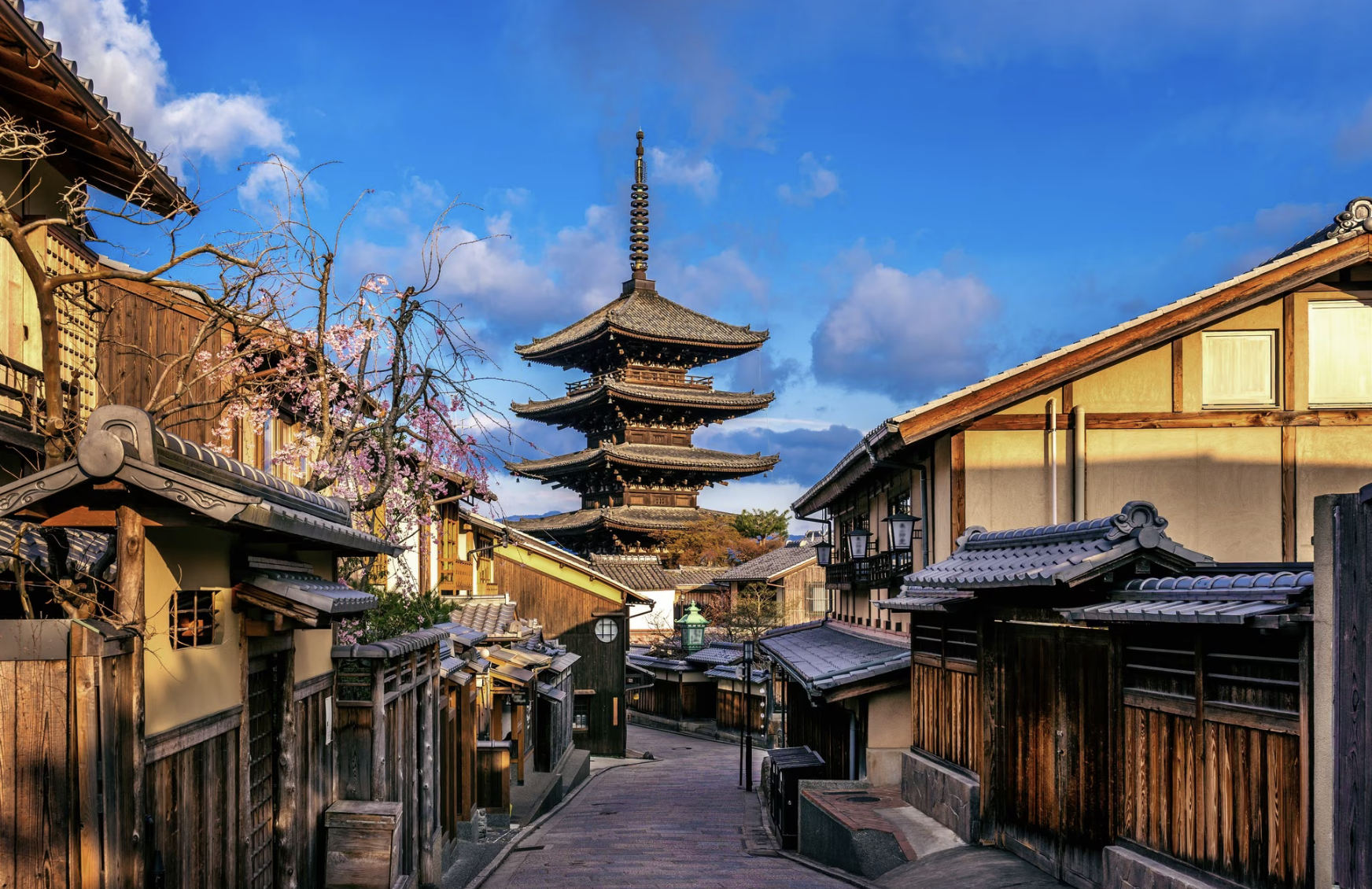
Known as the cultural heart of Japan, Kyoto is a city that’s been able to preserve its traditional charm while also embracing sustainability. The city has a number of green hotels, bike rental shops, and public transportation options that make it easy to explore the city in an environmentally friendly way.
Kyoto is a city known for its focus on sustainable tourism. The city has a number of green hotels, bike rental shops, and public transportation options that make it easy to explore the city in an environmentally friendly way. Additionally, Kyoto has a number of initiatives aimed at reducing its carbon footprint, such as promoting the use of electric vehicles and encouraging the use of renewable energy sources. The city is also home to a number of temples and shrines that have been designated as UNESCO World Heritage sites, and the city has made a commitment to preserving these sites while also promoting sustainable tourism. Overall, visiting Kyoto can be considered a sustainable option for travelers looking to experience the city’s rich culture and history while also supporting the city’s efforts to promote sustainability.
【2】Hiroshima

Hiroshima is a city that’s been able to rebuild itself after the devastating atomic bombing in 1945. Today, the city is known for its focus on peace and sustainability, with a number of green initiatives, such as renewable energy, recycling programs, and electric vehicles.
Hiroshima is a city that has made a commitment to sustainability and peace. The city has a number of initiatives aimed at reducing its carbon footprint, such as promoting the use of electric vehicles, encouraging the use of renewable energy sources and recycling programs. The city is also home to the Hiroshima Peace Memorial Park, a UNESCO World Heritage site that serves as a reminder of the devastating atomic bombing in 1945 and promotes peace and disarmament.
Additionally, many hotels, restaurants, and shops in Hiroshima have adopted sustainable practices, such as using eco-friendly products and reducing food waste. The city also offers a variety of eco-friendly transportation options, such as electric buses and trams. Overall, visiting Hiroshima can be considered a sustainable option for travelers looking to learn about the city’s history and culture while also supporting the city’s efforts to promote sustainability and peace.
【3】Naoshima

This small island in the Seto Inland Sea is home to a number of art museums and installations, many of which have been built using sustainable materials and practices. The island is also home to a number of solar and wind power projects.
Naoshima is an island known for its focus on sustainable tourism and art. The island is home to a number of art museums and installations, many of which have been built using sustainable materials and practices. The island’s local government has made a commitment to preserving the environment through sustainable tourism practices.
Additionally, the island is also home to a number of renewable energy projects such as solar and wind power, which help to reduce its carbon footprint. The island also has a number of eco-friendly accommodations that use renewable energy and minimize waste. The island also encourages visitors to explore the island by foot or bicycle, reducing their carbon footprint.
Visiting Naoshima can be considered a sustainable option for travelers looking to experience the island’s unique art and culture while also supporting the island’s efforts to promote sustainability and preserving the environment.
【4】Teshima

Another small island in the Seto Inland Sea, Teshima is known for its focus on sustainable architecture and art. The island is home to a number of buildings, including the Teshima Art Museum, that were built using sustainable materials and practices.
Teshima is a small island in the Seto Inland Sea that is known for its focus on sustainable tourism, architecture and art. The island has a number of sustainable initiatives, such as promoting the use of renewable energy sources and preserving the natural environment. The island’s local government has made a commitment to preserving the environment through sustainable tourism practices.
The island is home to a number of buildings, such as the Teshima Art Museum, that were built using sustainable materials and practices. Additionally, the island has a number of eco-friendly accommodations that use renewable energy and minimize waste. The island also encourages visitors to explore the island by foot or bicycle, reducing their carbon footprint.
Visiting Teshima can be considered a sustainable option for travelers looking to experience the island’s unique art, architecture and culture while also supporting the island’s efforts to promote sustainability and preserving the environment.
【5】Shikoku

This island is home to a number of small, traditional communities that have been able to maintain their way of life while also embracing sustainability. The island is known for its renewable energy projects, organic farms, and traditional crafts.
Shikoku is an island located in the southwestern part of Japan and it is known for its natural beauty, traditional culture and history. The island is relatively rural and has a lower population density compared to other regions in Japan, which means that the environmental impact of tourism can be less significant.
The island has a number of sustainable initiatives, such as promoting the use of renewable energy sources, preserving the natural environment and promoting sustainable tourism. There are several towns and cities in Shikoku that have been designated as Eco Towns, which are recognized for their efforts to promote sustainable living and environmental conservation.
Additionally, Shikoku offers a variety of eco-friendly accommodations and sustainable transportation options, such as electric buses and trams. The island also encourages visitors to explore the island by foot or bicycle, reducing their carbon footprint. The island is also home to several UNESCO World Heritage sites and many other historical and cultural sites.
Overall, visiting Shikoku can be considered a sustainable option for travelers looking to experience the island’s natural beauty, traditional culture and history while also supporting the island’s efforts to promote sustainability and preserving the environment.
【6】Nara

Known for its temples and parks, Nara is also a city that’s been able to preserve its traditional charm while also embracing sustainability. The city has a number of green hotels, bike rental shops, and public transportation options that make it easy to explore the city in an environmentally friendly way.
Nara is a city located in the central part of Japan, and it is known for its rich history and culture, particularly its temples and shrines. The city has a number of sustainable initiatives, such as promoting the use of renewable energy sources, preserving the natural environment and promoting sustainable tourism.
Nara city has a number of temples and shrines that have been designated as UNESCO World Heritage sites, and the city has made a commitment to preserving these sites while also promoting sustainable tourism. Additionally, Nara offers a variety of eco-friendly accommodations and sustainable transportation options, such as electric buses and trams. The city also encourages visitors to explore the city by foot or bicycle, reducing their carbon footprint.
Furthermore, Nara is home to many wild sika deer, considered as a natural treasure, and the city has implemented measures to protect them and their habitat, for example, not allowing them to be fed certain types of food that could harm their health.
Overall, visiting Nara can be considered a sustainable option for travelers looking to experience the city’s rich history and culture while also supporting the city’s efforts to promote sustainability and preserving the environment.
【7】Kamikochi

This mountain valley in the Japanese Alps is a popular destination for hiking and outdoor activities. The area is known for its focus on sustainability, with a number of renewable energy projects and efforts to preserve the natural environment.
Kamikochi is a popular mountain resort located in the Northern Japan Alps, known for its natural beauty and outdoor activities. The area has a number of sustainable initiatives, such as promoting the use of renewable energy sources, preserving the natural environment and promoting sustainable tourism.
The Kamikochi area is home to a number of protected natural areas, such as the Kamikochi National Park, and the area’s local government has made a commitment to preserving the environment and promoting sustainable tourism. Additionally, Kamikochi offers a variety of eco-friendly accommodations and sustainable transportation options, such as electric buses and trams. The area also encourages visitors to explore the area by foot or bicycle, reducing their carbon footprint, and also providing guided walks with experts in order to reduce the impact of tourism on the environment.
Furthermore, the Kamikochi area also has strict regulations in terms of waste management and the use of plastic bottles, and visitors are encouraged to reduce their waste and use refillable water bottles instead.
Overall, visiting Kamikochi can be considered a sustainable option for travelers looking to experience the area’s natural beauty and outdoor activities while also supporting the area’s efforts to promote sustainability and preserving the environment.
【8】Ogasawara Islands
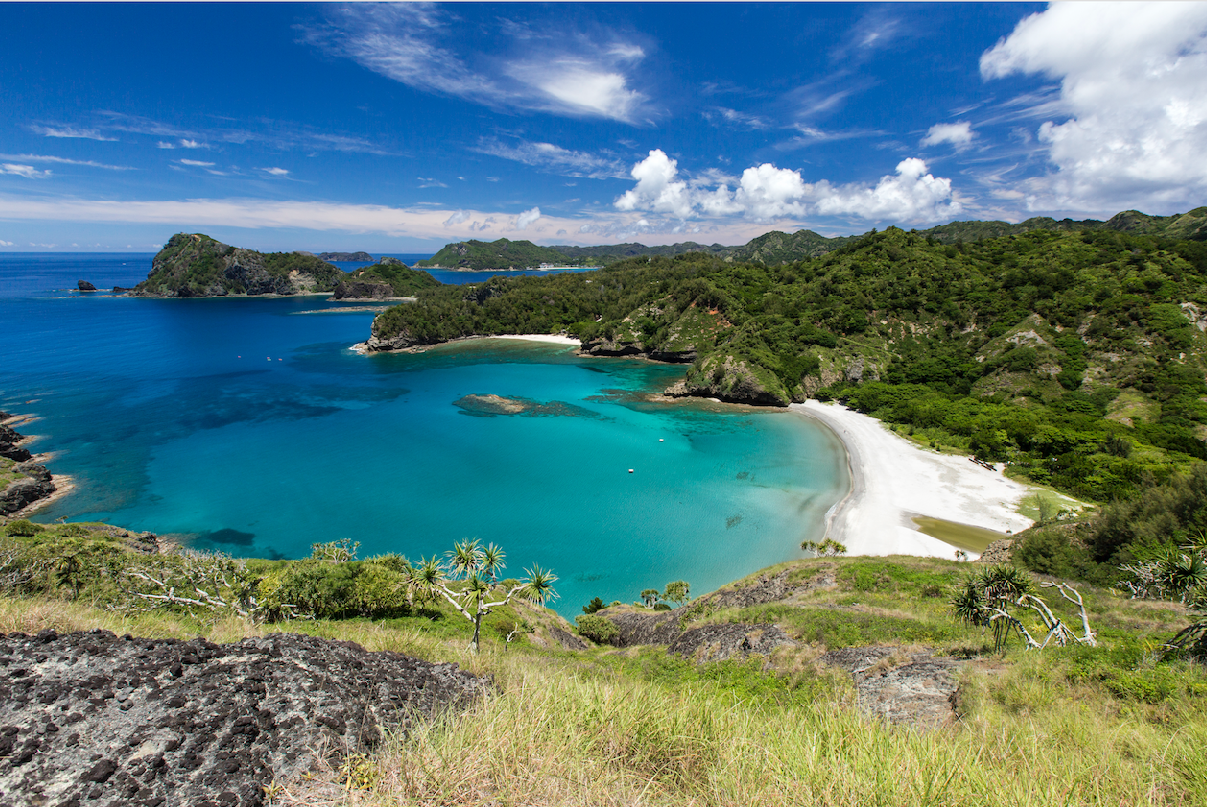
These remote islands are located about 1000 kilometers south of Tokyo. The islands are known for their unique wildlife and natural beauty, and the local government has made a commitment to preserving the environment through sustainable tourism practices.
The Ogasawara Islands, also known as the Bonin Islands, are a remote archipelago located about 1000 km south of Tokyo. The islands are known for their unique biodiversity and rugged, unspoiled natural beauty. The local government has made a commitment to preserving the environment and promoting sustainable tourism.
The Ogasawara Islands are home to a number of protected natural areas, such as the Ogasawara National Park, and the local government has implemented strict regulations to protect the environment and preserve the islands’ unique biodiversity. Additionally, the Ogasawara Islands offer a variety of eco-friendly accommodations and sustainable transportation options, such as electric buses and trams. The island also encourages visitors to explore the island by foot or bicycle, reducing their carbon footprint.
However, because of their remoteness, getting to the Ogasawara Islands requires a long-distance ferry or a flight, and this could increase the carbon footprint of the trip. It is also important to mention that the islands have a limited number of visitors per day and overnight stays, so it’s recommended to plan ahead and book in advance.
Overall, visiting the Ogasawara Islands can be considered a sustainable option for travelers looking to experience the islands’ unique biodiversity and natural beauty while also supporting the local government’s efforts to promote sustainability and preserving the environment, but considering the carbon footprint of the trip is important.
【9】Shiretoko

This national park on the northernmost island of Hokkaido is known for its beautiful landscapes, including forests, lakes, and hot springs. The park is also home to a number of endangered species, and the local government has made a commitment to preserving the environment through sustainable tourism practices.
Shiretoko is a remote and rugged area located in the far northern end of Japan’s main island, known for its natural beauty and wildlife. The area has a number of sustainable initiatives, such as promoting the use of renewable energy sources, preserving the natural environment and promoting sustainable tourism.
Shiretoko is home to a number of protected natural areas, such as the Shiretoko National Park, and the area’s local government has made a commitment to preserving the environment and promoting sustainable tourism. Additionally, Shiretoko offers a variety of eco-friendly accommodations and sustainable transportation options, such as electric buses and trams. The area also encourages visitors to explore the area by foot or bicycle, reducing their carbon footprint.
Furthermore, the Shiretoko area has strict regulations in terms of waste management and the use of plastic bottles, and visitors are encouraged to reduce their waste and use refillable water bottles instead. Many activities and guided tours are provided to visitors in order to reduce the impact of tourism on the environment and also to learn about the natural history of the area and its inhabitants.
Overall, visiting Shiretoko can be considered a sustainable option for travelers looking to experience the area’s natural beauty and wildlife while also supporting the area’s efforts to promote sustainability and preserving the environment.
【10】Yakushima

This island is located off the southern coast of Japan and is known for its ancient cedar forests and beautiful landscapes. The island is also home to a number of renewable energy projects, including a hydroelectric power station and a solar power plant.
Yakushima is an island located in the southernmost part of Japan, known for its natural beauty and wildlife, including the Yakushima macaque, a unique subspecies of Japanese macaque and Yakusugi, ancient cedar trees that can live over 1000 years. The area has a number of sustainable initiatives, such as promoting the use of renewable energy sources, preserving the natural environment and promoting sustainable tourism.
Yakushima is home to a number of protected natural areas, such as the Yakushima World Heritage Site, and the area’s local government has made a commitment to preserving the environment and promoting sustainable tourism. Additionally, Yakushima offers a variety of eco-friendly accommodations and sustainable transportation options, such as electric buses and trams. The area also encourages visitors to explore the area by foot or bicycle, reducing their carbon footprint.
Furthermore, the Yakushima area has strict regulations in terms of waste management and the use of plastic bottles, and visitors are encouraged to reduce their waste and use refillable water bottles instead. Many activities and guided tours are provided to visitors in order to reduce the impact of tourism on the environment and also to learn about the natural history of the area and its inhabitants.
However, getting to Yakushima can be a bit complicated, with the options of taking a flight or a ferry, in both cases, it will depend on the location of departure and the transport mode that you choose, this could increase the carbon footprint of the trip.
Overall, visiting Yakushima can be considered a sustainable option for travelers looking to experience the area’s natural beauty and wildlife while also supporting the area’s efforts to promote sustainability and preserving the environment. It’s important to consider the carbon footprint of the trip and plan accordingly.
Summary
These destinations offer visitors a chance to experience Japan’s rich culture and natural beauty while also learning about and supporting the country’s efforts to promote sustainability.
Book a tour with findhiddenwalks.com to contribute to sustainable tourism in Japan!
